
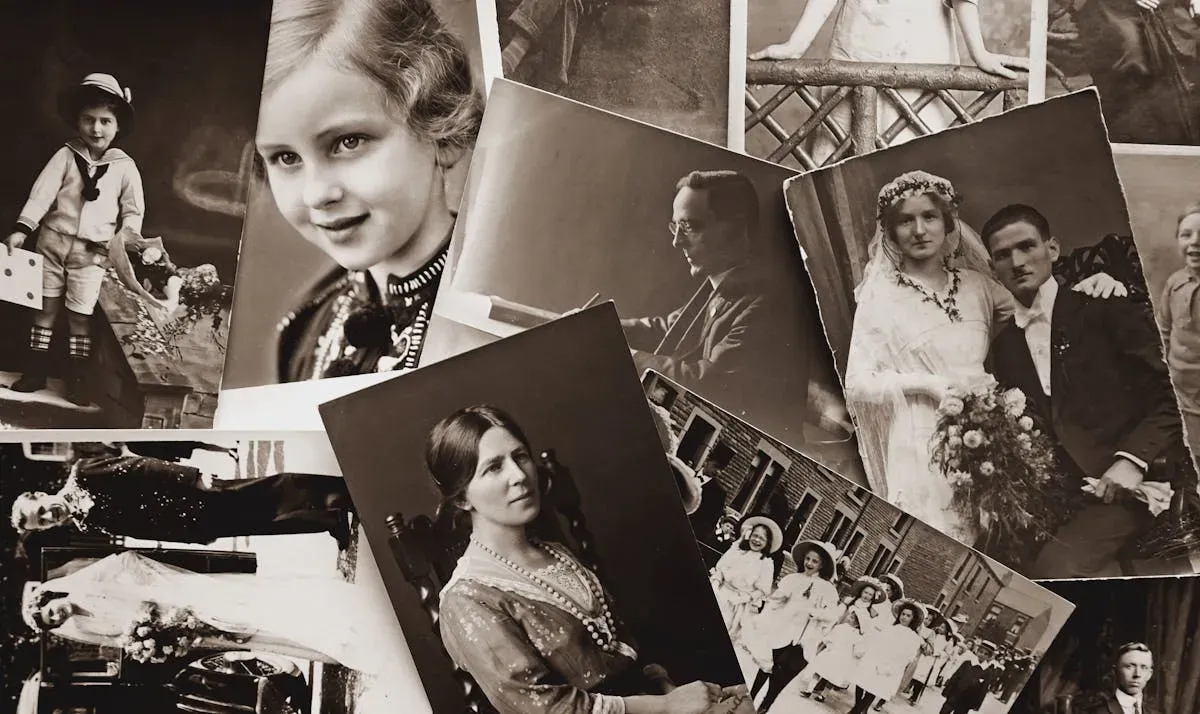
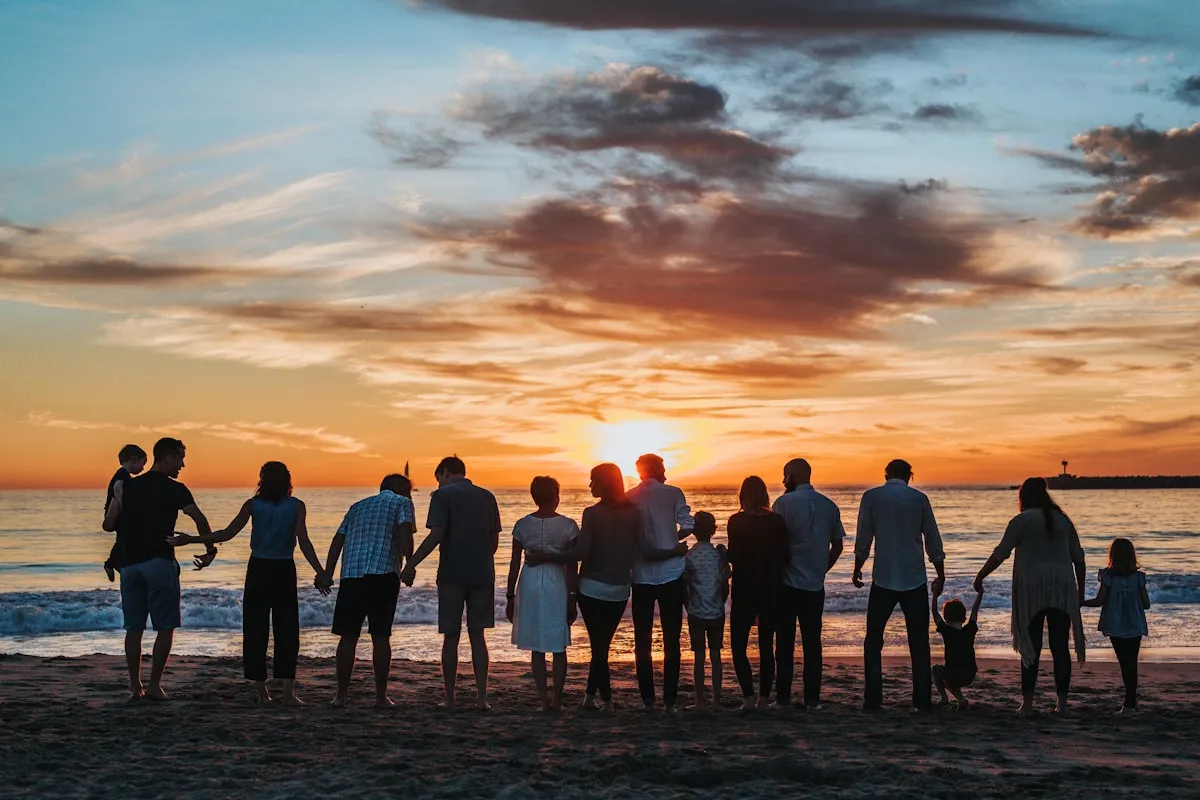
Some people never really leave us. They show up in the way we laugh, the recipes we cook from memory, the stories we tell at the dinner table. But having something tangible, something you can see every day, keeps their presence close in a way that photos on a phone screen never quite manage.
A family memorial tribute portrait does exactly that. It takes a cherished photograph of someone you've lost and transforms it into a timeless piece of art: something that belongs on your wall, not buried in a camera roll. Whether you're honoring a grandparent, a parent, a sibling, or a child, creating a tribute portrait is one of the most personal and lasting ways to keep their memory alive.
Here's how to create one that truly does them justice.
Why Memorial Portraits Matter More Than You'd Expect
Grief researchers have a term for the physical objects that help us process loss: "anchor items." As death researcher Candi Cann explains, "Anchor items provide a place for the bereaved to direct the complex emotions associated with grief, while also creating a positive association with their life and a physical reminder that those we lose are not lost."
A memorial portrait is one of the most powerful anchor items you can have. Unlike a standard photograph, a portrait is intentional. It's a deliberate act of saying: this person mattered. This moment mattered. I want the world to see that.
And there's science behind it. A systematic review published in the American Journal of Art Therapy found that visual art modalities "facilitated participants' adaptive preservation of ties with the deceased" and were effective at building positive skills for adapting to bereavement. In simpler terms, surrounding yourself with meaningful art of the people you love actually helps you heal.
With approximately 2.5 million people passing away in the U.S. each year, each leaving an average of five close grievers behind, that's roughly 12 million Americans entering the grief journey annually (Evermore, 2024). If you're reading this, you're likely one of them. You're not alone, and wanting to create something beautiful in someone's honor is one of the healthiest things you can do.
Step 1: Choose the Right Photo
This is the most important decision you'll make, and it's worth taking your time with it.
The best photos for memorial portraits share a few things in common:
- Clear facial features. The face doesn't need to be front-and-center, but it should be in focus and well-lit. Blurry or heavily shadowed photos are harder to work with.
- Natural expressions. The candid laugh at Thanksgiving. The quiet smile on the porch. Choose a photo that captures who they actually were, not a stiff posed shot from a studio in 1987.
- Emotional resonance. Ask yourself: when I look at this photo, does it feel like them? That's the one.
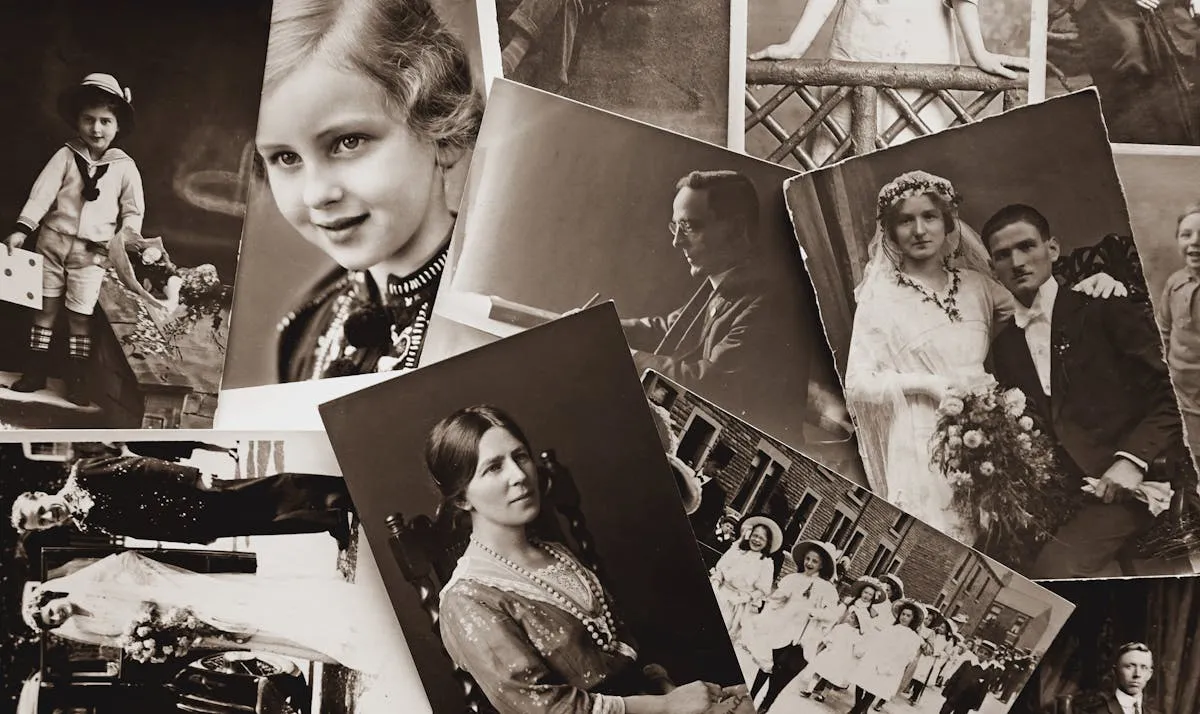
Don't worry if the photo isn't perfect. Modern AI portrait technology can work with snapshots, phone photos, and even slightly aged prints. What matters most is that the photo captures the spirit of the person.
A few practical tips:
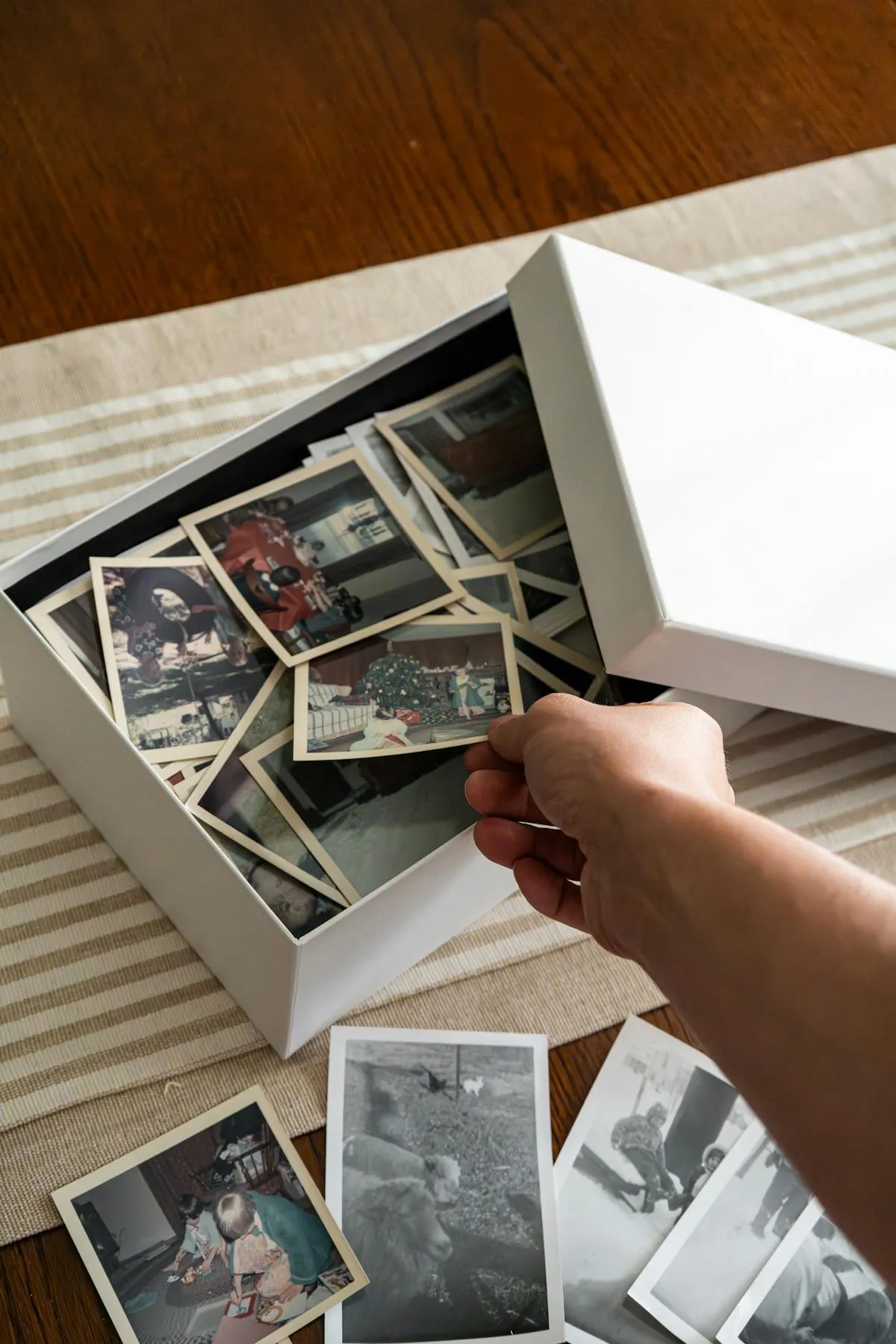
- Scan printed photos at high resolution (300 DPI or higher) if you don't have a digital version
- If multiple family members have different "favorite" photos, consider creating more than one portrait
- Photos with simple backgrounds tend to translate better into classic portrait styles
Step 2: Decide on the Portrait Style
Memorial portraits generally fall into a few aesthetic categories:
Classic painterly style. This is the most popular choice for memorial portraits: a timeless, gallery-worthy look that transforms an everyday photo into something that feels like it was painted by a master. It elevates the photo without changing the person.
Black and white. Particularly striking for older family members or vintage photos. Strips away distraction and focuses entirely on the person.
Multi-subject compositions. Some families choose to combine photos of living and deceased family members into a single portrait, creating a "reunion" image. This is especially meaningful for families who never had the chance to take a group photo together.
Services like Tribute specialize in the classic painterly style, using AI to generate museum-quality portraits from your photos. You can preview the result before you order, which takes a lot of the anxiety out of the process. If you don't love it, you can try a different photo or adjust before committing to a print.
Step 3: Pick the Right Size and Format
The size and format you choose should match where the portrait will live and how much visual presence you want it to have.
For a statement piece (living room, hallway, above the fireplace):
A larger format like 24x32 inches on canvas gives the portrait real presence. It becomes the focal point of the room, which is exactly right for someone who was the focal point of your family.
For a personal, intimate space (bedroom, study, bedside table):
An 8x10 framed print keeps their face close without overwhelming the room. Black or natural wood frames work beautifully in quieter spaces.
For a gallery wall alongside other family photos:
A 16x20 print, framed to match your existing frames, lets the portrait take its place among other family memories. This is a lovely way to integrate the tribute into your everyday life rather than setting it apart.
For sharing with family:
Digital downloads let you send the portrait to siblings, cousins, or grandchildren so everyone can have their own print. This is especially thoughtful around holidays or the anniversary of a passing.
Step 4: Consider the Emotional Timing
There's no wrong time to create a memorial portrait, but timing matters for how it's received.
Soon after a loss. Some people find comfort in creating a portrait within the first few months. The act of choosing a photo and making something beautiful can be a meaningful part of the grieving process.
On an anniversary. The first anniversary of a passing, a birthday, or a holiday that feels incomplete without them are all natural moments to create or gift a tribute portrait.
As a gift for a grieving loved one. If you're creating the portrait for someone else, be thoughtful about presentation. Don't surprise them at a busy family gathering. Give it privately, with a note explaining why you chose the photo you did. That context turns a gift into a conversation.
Years later. It's never "too late." Many people create memorial portraits years or even decades after a loss, when they've reached a point of wanting to celebrate the person's life rather than dwell in the pain of their absence.
As grief expert Sandra Bertman writes, "The great power of the arts is to activate, renovate, and transform. Indeed, the arts, as the process of grief, can thaw what trauma and suffering freezes."
Turn a Cherished Photo Into a Lasting Tribute
Creating a memorial portrait doesn't have to be complicated. With Tribute, you upload a photo of your loved one, preview the portrait in a classic, painterly style, and choose how you'd like it printed: museum-quality matte paper, canvas, or a high-resolution digital download.
You can select from three print sizes (8x10, 16x20, or 24x32) and add a frame in black, white wood, or natural wood. Every portrait is designed to look like it belongs in a gallery, not on a phone screen.
For families spread across the globe, Tribute ships to the US, UK, Canada, Australia, New Zealand, and the EU. And the digital download option means everyone can have their own copy, no matter where they are.
Where to Display a Memorial Tribute Portrait
Once your portrait arrives, placement matters. Here are the most common approaches:
The memory corner. Dedicate a small shelf or table to the portrait along with a candle, a small vase of flowers, or another meaningful item. This creates a quiet, intentional space for reflection.
The family gallery wall. Integrate the portrait alongside photos of living family members, vacations, and milestones. This keeps the person present in the flow of everyday family life rather than set apart as something solemn.
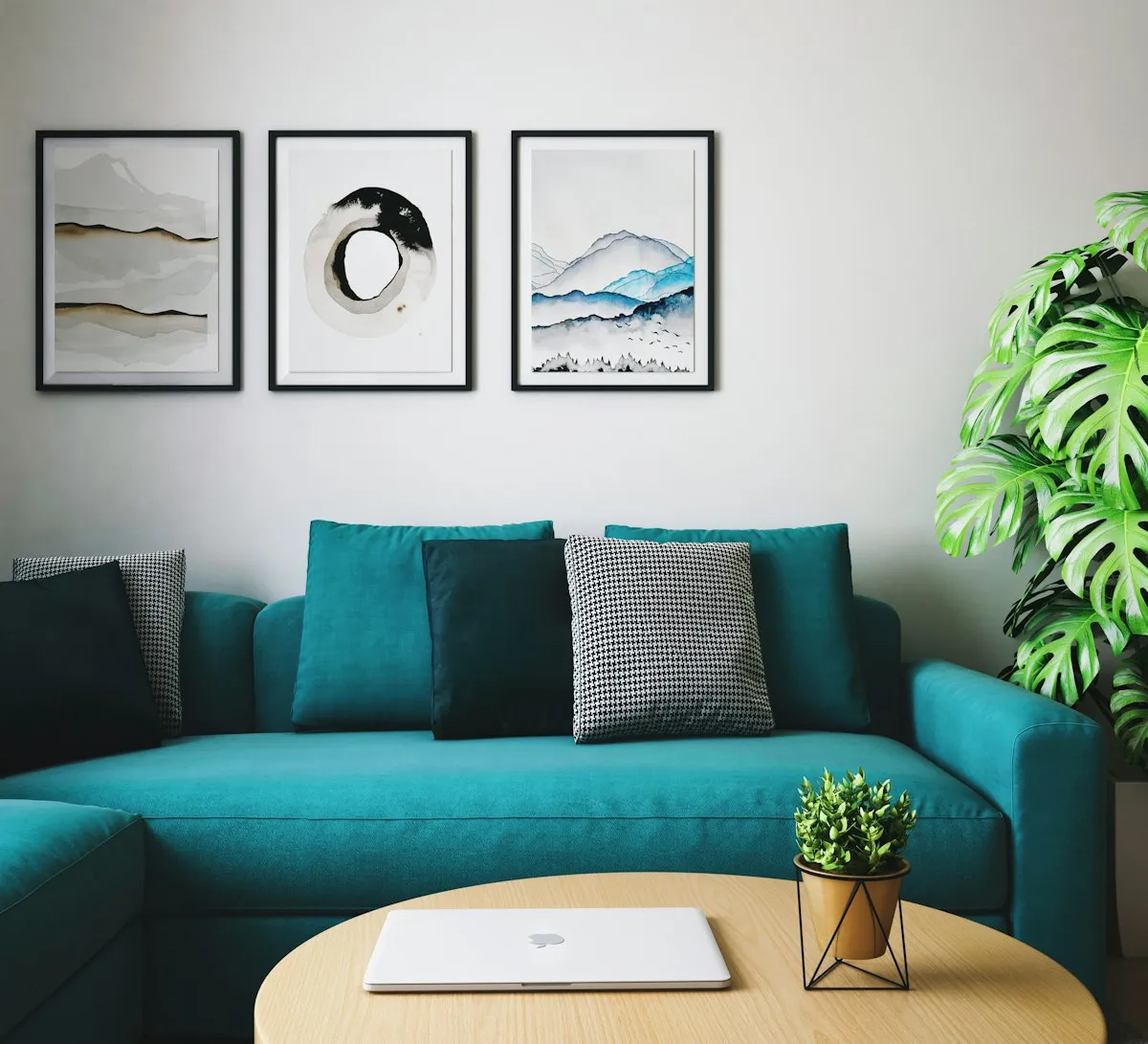
A gathering space. The living room, dining room, or kitchen: places where the family actually spends time together. Seeing their face during the ordinary moments is often more comforting than tucking them away in a formal room no one enters.
A gift for other family members. Order digital downloads or extra prints so siblings, children, or grandchildren can each have a copy. According to a 2024 Verified Market Research report, the personalized gifts market is projected to reach $59.24 billion by 2032, growing at nearly 10% annually. More people than ever are choosing gifts that carry emotional weight, and there are few things more meaningful than a portrait of someone the whole family loves.
Other Ways to Build a Memorial Tribute
A portrait is a beautiful centerpiece, but it's even more meaningful as part of a broader tribute. Consider pairing it with:
- A memorial tree. The Arbor Day Foundation lets you plant a tree in someone's memory. Something that grows alongside your family.
- A memory journal. Services like Storyworth prompt family members to share stories and memories that get compiled into a book.
- Custom memorial jewelry. Companies on Etsy create pendants with fingerprints, handwriting, or small amounts of ashes, giving you a way to carry their memory with you.
- A QR memorial plaque. Services like Our Tributes create small plaques with a QR code linking to photos, stories, and memories. Placed near a gravesite or in a garden, they let anyone with a phone learn about the person.
- A charitable donation. Contributing to a cause your loved one cared about keeps their values alive. Many memorial funds accept donations in someone's name and send an acknowledgment to the family.
Making It Meaningful
The details are what turn a portrait from "nice" to unforgettable. A few final thoughts:
- Write a note on the back. Before hanging the portrait, write who it is, when the photo was taken, and why it matters. Future generations will thank you.
- Involve the family. Let children or grandchildren help choose the photo. Ask them what they remember about the person. This turns the process into a shared act of remembrance.
- Mark the occasion. When the portrait arrives, take a moment to hang it together. Say something about the person. Let it be a small, quiet celebration of their life.
A family memorial tribute portrait isn't just wall art. It's a declaration that someone mattered, that their face deserves a place in the home they helped build. In a world where so much is digital, disposable, and forgettable, choosing to create something permanent and beautiful is one of the most powerful things you can do for the people you love, and for the people who loved them.